Summertime: A Handwritten Font That Brings Warmth to Your Creative Projects
Typography is one of those quiet forces that shapes how people feel about what they see. You might not notice it at first, but the moment a font feels off—too rigid, too cold, too impersonal—the entire message suffers. That is where Summertime steps in. It is a warm, sunny handwritten typeface designed to inject personality and approachability into any project. Whether you are designing a brand identity, crafting social media graphics, or putting together a personal invitation, this font carries an unmistakable sense of ease and optimism.
Handwritten fonts have grown in popularity over the past decade, and for good reason. They bridge the gap between polished design and human touch. Summertime does exactly that, but with a particular lightness that makes it feel like a sunny afternoon translated into letterforms. Let's explore what makes this font stand out, where it shines, and how you can decide if it is the right fit for your next project.
What Makes Summertime Distinctive
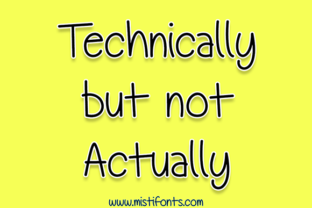
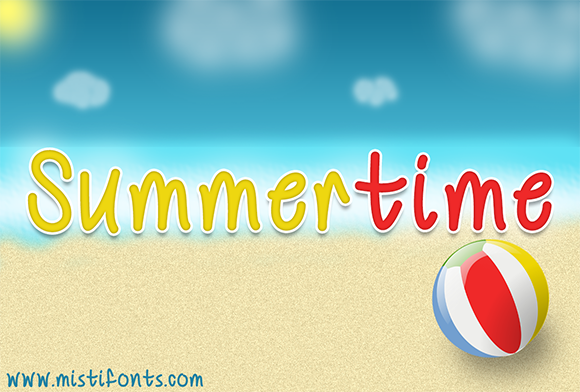
At first glance, Summertime feels familiar in the way a friend's handwriting does. The characters are rounded, slightly irregular, and carry a natural rhythm that avoids the stiffness of many handwritten fonts. The strokes feel fluid without being sloppy, and the spacing is generous enough to remain readable even at smaller sizes.
Several features define its character:
- Warm undertones — The letterforms lean toward rounded edges and soft curves, giving the font a friendly, approachable feel.
- Consistent baseline — Unlike some handwritten fonts that wobble unpredictably, Summertime maintains a stable baseline, which improves readability in longer text.
- Natural variation — Characters have subtle differences in stroke weight and slant, mimicking real handwriting without becoming chaotic.
- Sunny disposition — The overall impression is light, cheerful, and unpretentious. It does not try to be elegant or formal; it aims to be inviting.
These qualities make Summertime more than just another handwritten font. It is a tool for conveying warmth and sincerity, which is harder to achieve with serif or sans-serif typefaces.
The Thinking Behind Handwritten Fonts
Handwritten typefaces have a unique job: they must look human without looking amateur. The best ones balance spontaneity with legibility, and Summertime achieves this by leaning into the organic shapes of natural handwriting while refining them just enough for digital or print use.
When you choose a handwritten font, you are making a statement about tone. A rigid corporate font says "professional" and "efficient." A handwritten font says "personal" and "approachable." Summertime leans heavily into the latter, making it ideal for projects where you want the audience to feel a sense of connection rather than distance.
It is worth noting that not all handwritten fonts are created equal. Some are too ornate to read easily, while others are too plain to add any personality. Summertime sits in a comfortable middle ground: it has enough character to be memorable but remains functional for everyday use.
Where Summertime Makes the Most Impact
Knowing what a font looks like is only half the story. The real value comes from understanding where it performs best. Based on real-world usage and feedback from designers, Summertime excels in several specific areas.
Branding and Logo Design
Small businesses, creative freelancers, and lifestyle brands often struggle to find a typeface that feels both professional and personal. Summertime works well in logo marks, especially for businesses in hospitality, wellness, children's products, or creative services. Its warm personality helps brands communicate approachability without sacrificing polish.
Social Media Content
Instagram posts, Pinterest pins, and Facebook graphics thrive on visual warmth. Summertime pairs beautifully with photography, illustrations, and soft color palettes. It works particularly well for quotes, announcements, and seasonal content where you want the text to feel like part of the image rather than an overlay.
Invitations and Stationery
Wedding invitations, birthday party announcements, thank-you cards, and save-the-dates benefit from fonts that feel personal. Summertime gives invitations a handmade quality without requiring actual calligraphy skills. It is especially effective for outdoor events, summer gatherings, and casual celebrations.
Product Packaging
Artisanal food products, handmade soaps, candles, and small-batch goods often use handwritten typography to reinforce the "handcrafted" message. Summertime fits naturally on labels, tags, and boxes, especially when combined with natural materials like kraft paper or cotton string.
Website Headers and Hero Text
While body text on a website usually needs a highly legible font, headers and hero sections can afford more personality. Summertime works as a display font for site titles, taglines, and call-to-action phrases, especially on landing pages for creative businesses or personal blogs.
Who Benefits Most from This Font
Different fonts serve different audiences, and Summertime is no exception. Understanding who gains the most value helps you decide if it is the right addition to your toolkit.
- Graphic designers and creative professionals looking for a reliable handwritten option that works across print and digital mediums.
- Small business owners who want to build a brand identity that feels personal and trustworthy without hiring a custom type designer.
- Event planners and wedding coordinators who need versatile typography for invitations, signage, and decor materials.
- Social media managers and content creators who want to maintain a consistent, warm visual style across platforms.
- E-commerce sellers who package products themselves and want the labeling to reflect the handmade nature of their goods.
- Hobbyists and DIY enthusiasts who design their own cards, gifts, or home decor and want professional-looking results.
Essentially, if your project benefits from a human touch, Summertime is worth considering.
Strengths and Practical Considerations
No font is perfect for every situation, and being honest about limitations helps you make better decisions. Here is a balanced look at what Summertime does well and where you might need to be cautious.
Strengths
- High readability for a handwritten font — Many handwritten typefaces sacrifice clarity for style. Summertime keeps letterforms distinct, making it usable for short to medium-length text.
- Versatile tone — It works for both feminine and masculine aesthetics, depending on how you pair it with colors and other design elements.
- Light and airy feel — The font does not feel heavy or overwhelming, which is important for designs that need to feel open and inviting.
- Good kerning and spacing — The default letter spacing is well-calibrated, reducing the need for manual adjustments in most design software.
Considerations
- Not suitable for lengthy body text — Like most handwritten fonts, Summertime is best used for headlines, short phrases, or decorative elements. Extended reading can become tiring.
- Limited formal applications — If your project requires a serious or corporate tone, this font will feel out of place. It is not designed for legal documents, annual reports, or financial communications.
- Small size legibility — At very small sizes (below 12pt), some of the finer details may blur, especially in print. It is best used at medium to large sizes.
- Language support — Depending on the version you have, character coverage for non-Latin alphabets or special diacritics may be limited. Always check before committing to a multilingual project.
How to Evaluate If Summertime Fits Your Project
Choosing a font is rarely about liking the way it looks. It is about whether the font serves the project's goals. Here is a practical framework to help you decide if Summertime is right for what you are building.
- Define the tone you need. If you want warmth, approachability, and a personal feel, Summertime is a strong candidate. If you need authority, precision, or formality, look elsewhere.
- Consider the medium. Will the font appear primarily on screens, in print, or both? Summertime performs well in both, but test it at your intended sizes, especially if printing.
- Think about pairing. Handwritten fonts rarely work alone for an entire design. Summertime pairs well with clean sans-serif fonts like Open Sans, Lato, or Montserrat. The contrast between handwritten warmth and geometric simplicity is visually appealing.
- Test with your content. Write out your actual text in Summertime and look at it in context. How does it feel with your images, colors, and layout? Sometimes a font that looks great in isolation does not work in the full composition.
- Check audience expectations. If your audience expects a polished, corporate look, Summertime might feel too casual. If they value authenticity and personality, it will feel right at home.
Real-World Scenarios: Summertime in Action
Abstract descriptions are useful, but concrete examples make the value clear. Here are a few scenarios where Summertime transforms a project from ordinary to engaging.
Scenario 1: A local bakery rebrand. A small bakery wants to move away from generic stock imagery and create a brand that feels like the actual shop. The owner uses Summertime for the logo, menu headers, and packaging labels. Paired with warm pastel colors and photos of fresh pastries, the font helps customers feel the warmth of the bakery before they even walk in.
Scenario 2: A wedding invitation suite. A couple wants invitations that feel personal but not overly formal. They choose Summertime for the main event details and pair it with a clean serif for the smaller information. The handwritten quality makes each invitation feel like it was addressed by hand, even when printed in quantity.
Scenario 3: An Instagram account for a lifestyle coach. A wellness coach uses Summertime for quote graphics, story highlights, and promotional posts. The font's sunny personality aligns with her message of growth and positivity. Engagement increases because followers perceive the content as more authentic and less corporate.
These scenarios highlight a common thread: Summertime works best when the goal is connection. It softens the barrier between creator and audience, making communication feel more like a conversation than a broadcast.
Final Thoughts on Summertime
Typography choices may seem small, but they carry significant weight in how your work is perceived. Summertime offers a distinctive blend of warmth, readability, and personality that makes it a valuable tool for anyone who creates visual content. It is not a font for every job, but for the jobs it fits, it performs beautifully.
Whether you are designing a brand identity, crafting an invitation, or building a social media presence, Summertime brings a sunny, handwritten quality that feels human. And in a world where so much design feels automated and distant, that human touch matters more than ever.
Try it on a small project first. See how it feels with your imagery and your message. More often than not, you will find that Summertime does not just display your words—it gives them a voice.