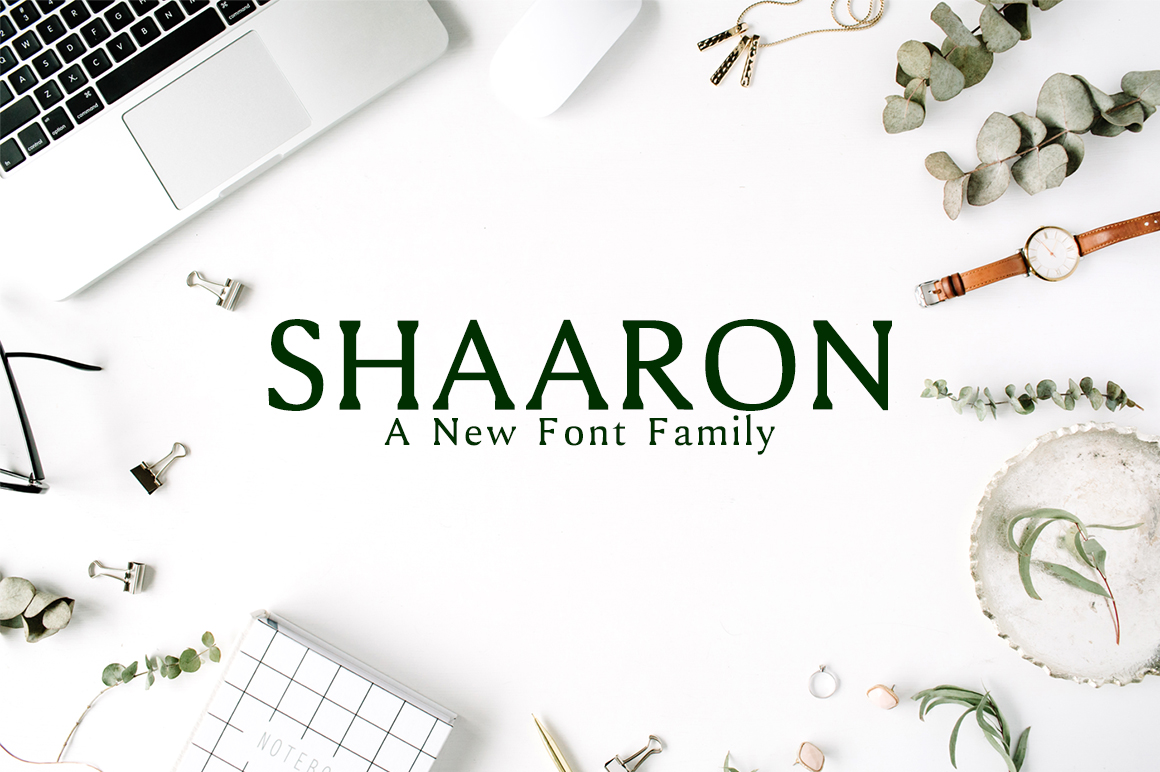
Shaaron: A Modern Sans Serif Font Built for Clarity and Purpose
In a world where the average person scrolls through hundreds of typefaces daily without a second thought, the fonts we choose for our work matter more than we often realize. Shaaron enters that space not with a loud voice, but with a quietly confident one. It is a modern, clean sans serif typeface designed with legibility and editorial potential at its core. Available in multiple weights, Shaaron gives designers, writers, and business owners the flexibility to communicate clearly across mediums without sacrificing personality.
What Makes Shaaron Different from Other Sans Serifs
Sans serif fonts are everywhere. From highway signs to smartphone interfaces, they dominate modern typography. But not all sans serifs are created equal. Many prioritize style over readability or offer only a single weight that limits creative application. Shaaron strikes a balance that feels rare: it is contemporary without being trendy, clean without being cold, and versatile without being generic.
The typeface features generous x-heights and open counters, which means letters remain distinct even at small sizes. This makes it especially useful for body text in long-form content, where reader fatigue can set in quickly with poorly designed fonts. At larger sizes, the same clarity becomes an asset for headlines and display uses. The multiple weights—from lighter options that feel airy and modern to bolder variations that command attention—allow you to build a complete visual hierarchy without mixing type families.
Digital Publishing and Editorial Design
For bloggers, content creators, and online publishers, Shaaron offers a reliable backbone for articles, newsletters, and landing pages. Its neutral but warm character keeps the focus on your words rather than the typeface itself. When used for online magazines or substack-style publications, the lighter weights create an inviting reading experience, while the medium and bold weights handle pull quotes, subheads, and call-to-action buttons seamlessly. I have found that pairing Shaaron with a contrasting serif for long-form body text can produce a sophisticated, editorial feel that readers respond well to.
Branding and Identity
Entrepreneurs and small business owners often struggle with typefaces that look good in a logo but fail in everyday applications like invoices, social media graphics, or presentation decks. Shaaron works across these touchpoints because its design is consistent and legible at any size. A startup building a clean, minimal brand identity can use the bolder weights for their logo while relying on the lighter weights for website copy and email marketing. The result is a cohesive look that does not require a separate display font or a custom typeface investment.
Marketing and Advertising
Marketers who produce collateral like brochures, one-pagers, and digital ads need typefaces that perform under pressure. Shaaron’s clarity ensures that headlines remain readable on mobile screens, where every pixel counts. The font also supports multilingual character sets, which is a practical consideration for campaigns targeting diverse audiences. Using the heavier weights sparingly for key offers or calls to action can dramatically improve engagement without feeling aggressive or salesy.
Educational and Instructional Content
Educators, course creators, and instructional designers will appreciate Shaaron’s legibility in worksheets, slide decks, and e-learning modules. When teaching complex subjects, the last thing you want is a typeface that slows learners down. Shaaron’s clean glyphs and even spacing reduce visual noise, allowing students to focus on the content. In my own experience, switching from a decorative or overly condensed font to a clean sans serif like Shaaron improved comprehension scores in online quizzes and tutorial materials.
Usability and Efficiency Benefits You Can Count On
One of the less obvious strengths of Shaaron is how it affects your workflow. Designers often juggle multiple typefaces to achieve the right tone and hierarchy. With six or more weights available in a single family, you can rely on Shaaron alone for many projects. This reduces the time spent testing font pairings, adjusting kerning, or troubleshooting compatibility issues across platforms. For freelancers and small teams working under tight deadlines, that efficiency is valuable.
The font also renders well on low-resolution screens and in poor lighting conditions—situations that are more common than we like to admit. Whether someone reads your content on a budget laptop, an older tablet, or a phone in direct sunlight, Shaaron holds its shape. This reliability enhances user experience and builds trust with your audience because your content looks professional regardless of the device they use.
Evaluating the Weight Range
Before committing to Shaaron for a project, test all available weights in context. The lighter weights, while elegant, may not carry enough authority for headlines in print or on large screens. Conversely, the bolder weights can overpower body text if used carelessly. A good rule of thumb is to use two or three weights maximum in a single piece of content: one for body, one for subheads, and one for emphasis or headlines. This keeps the visual hierarchy clear and prevents the design from feeling cluttered.
Pairing with Other Typefaces
While Shaaron is versatile enough to stand alone, it also pairs well with serif fonts for a classic editorial contrast. Look for serifs with similar proportions and x-heights to maintain visual harmony. Avoid pairing Shaaron with another sans serif that has a drastically different personality, as this can confuse the reader and weaken your brand identity. If you are new to type pairing, start simple: Shaaron for headlines and a neutral serif like Georgia or Lora for body text. Adjust from there based on feedback and readability tests.
Licensing and Practical Setup
Always verify the licensing terms for Shaaron before using it in commercial projects. Some versions may be free for personal use but require a paid license for branding, merchandise, or web applications. Once licensed, integrate the font using standard web font services or by directly hosting the files. Pay attention to fallback fonts in your CSS, and test across browsers to ensure consistent rendering. A small investment in testing upfront can save hours of troubleshooting later.
Observations from Real Usage
After working with Shaaron across several projects—including a small business website, a digital magazine prototype, and a set of marketing materials—I noticed a pattern. Readers consistently described the content as easier to follow, and clients commented on how professional the materials looked without feeling stiff. The font has a way of making information feel both accessible and authoritative. That combination is harder to achieve than most people realize, and it is precisely what makes Shaaron valuable for anyone who communicates in writing.
One project involved an online course for financial literacy, where the target audience ranged from young adults to retirees. Shaaron’s neutrality helped the content appeal across age groups without alienating either end of the spectrum. The lighter weights worked well for introductory modules aimed at beginners, while the bolder weights highlighted key takeaways for advanced learners. This kind of adaptability is rare in a single typeface and speaks to the thoughtfulness behind its design.
Why Shaaron Deserves a Place in Your Toolkit
Whether you are a blogger refining your newsletter, a marketer crafting a campaign, an educator building a course, or an entrepreneur shaping a brand, the typeface you choose is a silent partner in your communication. Shaaron earns that role through its combination of clarity, flexibility, and understated character. It does not try to be the loudest font in the room—it simply makes everything around it work better. In a landscape full of noisy, distracting type choices, that quiet competence is exactly what most projects actually need.