Arundel: A Handwritten Script Font for Creative Projects
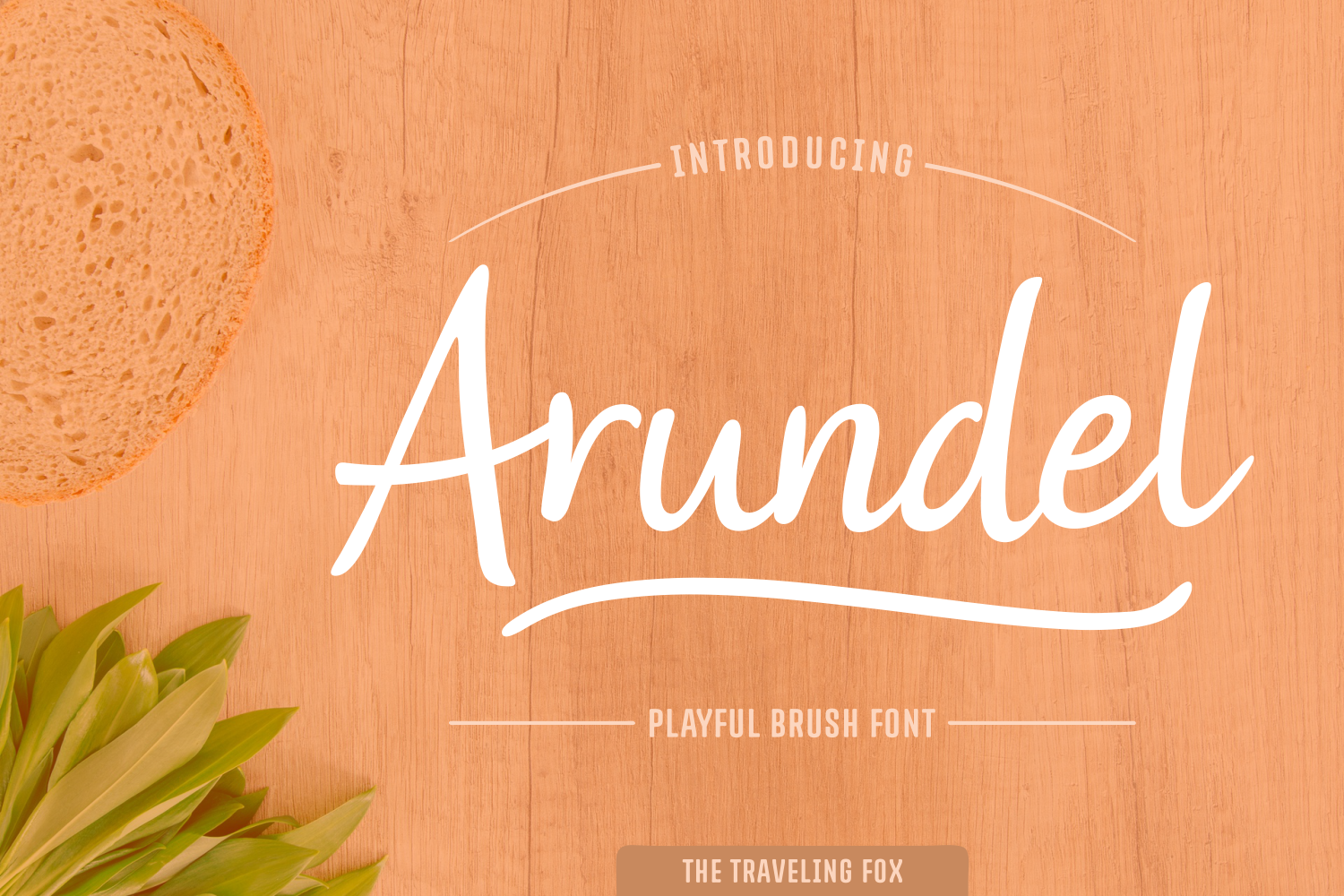
Typography often sets the emotional tone of a design. A font that feels too rigid can make even the most heartfelt message seem cold, while a script that tries too hard to be fancy can become illegible. Arundel strikes a rare balance: it is a wonderfully casual and freeing script font, suitable for a large range of styles and projects. Its handwritten feel brings warmth without sacrificing clarity, making it a reliable choice for designers, marketers, bloggers, and anyone who wants their words to feel approachable. In this article, we will explore what makes Arundel interesting, how different creators can use it, and practical ways to keep your projects clear and effective.
What Makes Arundel Interesting and Useful
At first glance, Arundel looks like a font that was written by hand with a steady, confident stroke. It has a natural rhythm that avoids the stiffness of many script fonts. The letters are connected, but not overly ornate, which means it can work for both large headlines and smaller body text in certain contexts. Its casual personality makes it suitable for projects that need a human touch without becoming childish or overly decorative.
One of the strongest aspects of Arundel is its versatility. You can use it in a wedding invitation that needs elegance, a social media graphic that wants authenticity, or a product label that should feel artisanal. The font does not force a specific mood; it adapts to the context. This adaptability comes from its neutral warmth — it is neither too formal nor too playful. It sits comfortably in the middle, which is exactly where many creators need their typography to be.
Another useful feature is how well Arundel pairs with other fonts. Because it has a distinct handwritten character, it works beautifully as a display or headline font when combined with clean sans serifs for body text. Many serif fonts also complement Arundel, especially those that carry a subtle traditional influence. This pairing flexibility means you do not have to redesign your entire brand around Arundel; you can simply introduce it as a primary or accent font to add personality.
Creative Possibilities for Designers and Marketers
For graphic designers and marketing professionals, Arundel offers a way to inject personality into brand materials without breaking consistency. Imagine a skincare brand that wants its packaging to feel natural and honest. Using Arundel for the product name on bottles and boxes creates an immediate association with handmade quality. Pair it with a clean geometric sans serif like Montserrat for the ingredient list, and the result is balanced — organic yet structured.
Social media graphics also benefit from Arundel’s easy readability. When you create quote cards or promotional posts, the script font can become the hero element. Because the letterforms are not excessively swirly, they hold up well on mobile screens. You can use Arundel for the headline and a simple serif or sans serif for the caption. This keeps the message clear while the font adds visual interest.
Event invitations are another natural fit. Whether it is a birthday party, a gallery opening, or a casual dinner, Arundel brings a personal feel. Many script fonts look out of place on a modern, minimalist invitation, but Arundel’s relaxed style works with both vintage and contemporary layouts. You can combine it with a subtle watercolor background or a bold color block without the font fighting for attention.
Using Arundel for Branding and Logos
Small business owners often struggle to find a font that feels both professional and personal. Arundel can serve as a logotype for businesses in creative fields: illustration studios, bakeries, florists, boutique shops, coaching services, and more. Because the font has a handwritten quality, it suggests that the person behind the business is approachable. For businesses where trust and warmth matter, such as therapy practices or children’s services, Arundel can be an excellent choice for the primary wordmark.
When using Arundel in a logo, keep the surrounding elements simple. Avoid adding too many decorative swashes or competing script elements. The font is strong enough on its own. If you want to add emphasis, consider kerning adjustments or a subtle color gradient. The key is to let Arundel’s natural flow shine without overcrowding the design.
Practical Uses for Bloggers and Content Creators
Bloggers and content creators constantly need to make their posts stand out in crowded feeds. Arundel can become a signature element for headlines, pull quotes, and featured image text. If you run a lifestyle blog, using Arundel for section headings within a post adds a cohesive, handcrafted feel. Your readers will subconsciously associate that font with your voice.
For YouTube thumbnails or Instagram story titles, Arundel offers readability at small sizes. Its letter shapes are open and round, which helps them remain legible even when scaled down. You can highlight the main keyword of your content using Arundel in a contrasting color, while the rest of the text remains minimal. This technique works well for “how-to” content, where the title needs to be both clear and inviting.
Pairing Arundel with Other Fonts
Choosing the right companion font for Arundel is straightforward. Sans-serif fonts like Open Sans, Lato, or Roboto create a clean contrast. For a more sophisticated look, consider a serif like Playfair Display or Cormorant Garamond. The contrast between the handwritten script and the structured serif can elevate a design from good to memorable.
When pairing, pay attention to x-height and weight. Arundel has a medium weight, so avoid pairing it with an extremely thin or ultra-bold font as the main body text unless you use it only for accents. A good rule is to use Arundel for display purposes (headlines, quotes, logos) and the paired font for paragraphs or smaller text. This maintains hierarchy and prevents visual confusion.
Adapting Arundel for Different Audiences and Formats
One of the strengths of a casual script font is its ability to adapt across demographics. For a younger audience (millennials and Gen Z), Arundel can be paired with vibrant colors and irregular layouts for a scrappy, authentic vibe. For an older audience, the same font can be combined with muted tones and traditional spacing for a classic, trustworthy look.
For print projects, Arundel works well on flyers, posters, and book covers. Because it is not overly condensed, it is legible even at moderate sizes. For digital projects, the font loads quickly and does not require unusual file formats. It is a safe choice for both web and mobile use.
Keeping Results Clear and Effective
No matter how beautiful a font is, clarity must remain the priority. When using Arundel, avoid stretching or distorting the letters. Respect its natural proportions. Use adequate line spacing (leading) to prevent the script from feeling cramped. For body text, consider using Arundel only for short passages, such as call-outs or testimonials, rather than for entire paragraphs. The font works best when it has room to breathe.
Consistency matters too. If you use Arundel as your primary display font in one piece of content, continue using it across related materials. This builds visual cohesion and helps your audience recognize your brand. At the same time, do not overuse it — mixing too many script fonts can dilute the impact. Arundel is strong enough to be the sole script in your toolkit, but you can always complement it with a single paired font.
Download Arundel and Start Creating
Finding a script font that is both beautiful and practical can be a challenge. Arundel meets both criteria. It brings a freeing, handwritten energy to any project while remaining grounded enough for professional use. Whether you are designing a logo, writing a blog post, or creating marketing materials, Arundel can help you communicate with authenticity and style.
To begin using it, download Arundel from a trusted font provider. Most platforms offer the font in standard formats (OTF, TTF) compatible with major design software. Once installed, experiment with different sizes, color palettes, and companion fonts. You may discover that Arundel becomes your go-to for projects that need a personal signature without sacrificing readability.
Take the time to test it on mockups — a product label, a website header, a printable invitation. See how it interacts with your existing brand elements. Because Arundel is so adaptable, it often works with minimal adjustments. The result is a design that feels both intentional and effortless.
In a world where digital communication often feels impersonal, Arundel offers a small but powerful way to bring back the human touch. It is a font that invites people to read, to trust, and to connect. Download Arundel, a beautiful handwritten script, today and see how it transforms your next creative project.