Hanma: A Fresh Brush Font for Modern Displays
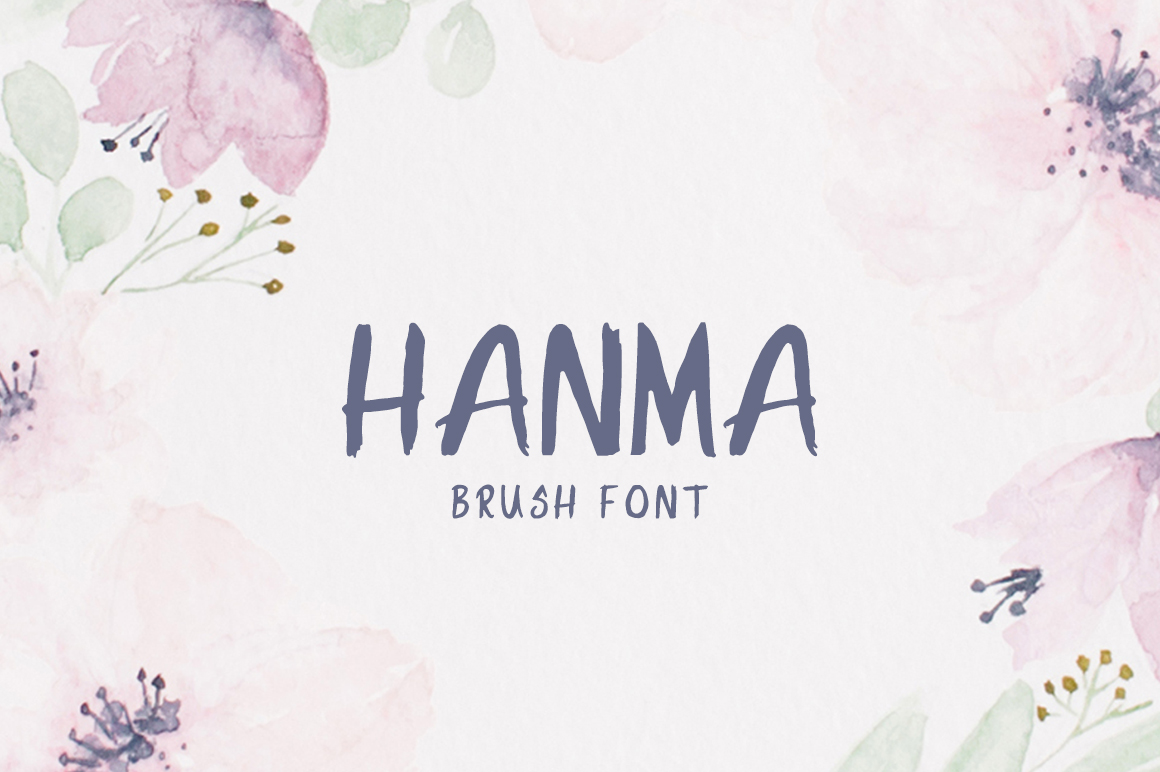
Finding a typeface that balances contemporary flair with everyday legibility can feel like a rare discovery. Many brush fonts sacrifice readability for personality, while clean sans serifs sometimes lack warmth. Hanma enters this space as a refreshing hybrid—a contemporary brush font designed for display use, yet remarkably easy to read. Its sans serif foundation ensures it never feels outdated, while the hand-drawn strokes add a human touch that static geometric fonts miss. For creators seeking a versatile tool that works across digital and print, Hanma offers a practical solution without compromising character.
What Makes Hanma Distinctive
Hanma is not just another decorative typeface. Its design prioritizes clarity, with open counters and balanced proportions that maintain readability at larger sizes. The brush influences are subtle enough to avoid distraction but present enough to inject energy into headlines, logos, and promotional materials. Unlike many display fonts that look inconsistent when scaled down, Hanma holds its form across various applications, making it a reliable choice for both web banners and physical signage.
The font’s contemporary feel comes from its geometric underpinnings. It avoids excessive flourishes, keeping each letterform clean and intentional. This restraint allows it to pair well with other typefaces, from classic serifs for editorial bodies to minimalist sans serifs for supporting text. For a marketer or entrepreneur building a brand identity, Hanma can serve as the anchor font—the one that says “modern” without shouting.
Legibility as a Core Feature
Too often, brush fonts are reserved for short bursts of text because they tire the eye. Hanma breaks that pattern. Its letter shapes are distinct enough that viewers rarely misread words, even at quick glances. This is particularly valuable for headlines on social media or time-limited ads where rapid comprehension matters. An educator creating presentation slides can rely on Hanma for slide titles without worrying about legibility from the back of the room. A publisher designing a book cover can use it for the title and be confident that potential buyers will parse the words instantly.
The sans serif influence ensures Hanma works across languages with Latin scripts, where diacritics and special characters remain clear. For global campaigns or multilingual projects, this reduces design friction.
Creative Applications Across Industries
Because Hanma blends brush warmth with sans serif clarity, it adapts to various contexts without feeling forced. Here are practical ways different users can apply it, along with realistic examples.
Branding and Identity
For a small business owner launching a café or boutique, Hanma can form the basis of a logotype. Its friendly tone suits independent brands that want to appear approachable yet professional. Consider a coffee roaster using Hanma for their name on bags and cups—the brush texture evokes craftsmanship, while the readability ensures customers can find the brand on shelves quickly.
Designers working on brand guidelines can pair Hanma with a clean sans serif like Helvetica Neue for body copy. This combination keeps the brand cohesive across business cards, websites, and packaging.
Social Media and Digital Content
Marketers often need to grab attention in crowded feeds. Hanma works well for Instagram quote posts, YouTube thumbnails, and LinkedIn banners. Its legibility at small sizes means followers won’t need to squint, even on mobile devices. A blogger can use Hanma for a series of motivational images, maintaining consistent branding without extra design effort. The font’s contemporary style aligns well with lifestyle and creative niches, where authenticity matters.
For an entrepreneur selling digital products, Hanma can highlight key offers in email headers or landing pages. Test it with contrasting backgrounds—light brush strokes on dark gradients can create striking visuals that feel high-end.
Print and Editorial
Publishers can use Hanma for magazine covers, pull quotes, or chapter titles. Its hand-drawn quality adds personality without overpowering the content. A freelancer designing event invitations might set the main headline in Hanma and use a simpler font for details. The result feels bespoke yet organized.
Educators developing worksheets or posters can rely on Hanma for headings. Students will read the titles easily, and the contemporary look makes learning materials feel more engaging. For hobbyists creating scrapbooks or personal projects, Hanma offers a professional finish without needing advanced design skills.
Practical Tips for Using Hanma Effectively
To get the most out of Hanma, consider how it interacts with other elements in your layout. Here are actionable recommendations.
Pairing and Composition
Since Hanma has a distinct voice, use it sparingly. Reserve it for headlines, logos, and focal points. For body text, stick to neutral sans serifs or serifs that won’t compete. Experiment with weight contrast—if Hanma is bold, pair it with a light sans serif like Lato Thin. This creates hierarchy without clutter.
In web design, ensure enough whitespace around Hanma text. Its brush texture needs breathing room to avoid looking cramped. For print, test kerning if the font file allows adjustments; some brush fonts have fixed spacing, but Hanma’s design should provide consistent gaps.
Scale and Context
Hanma excels at larger sizes—above 24pt for print or 30px for digital. At these scales, its hand-drawn details shine. For subheadings or smaller applications, consider using a cleaner font variant or increasing tracking slightly to maintain legibility. If you need Hanma for short phrases in body text, keep it to five words or less to preserve impact.
When using Hanma on colored backgrounds, check contrast. Light brush strokes on vivid hues can fade, so gradient tools or opacity adjustments might help. For dark mode designs, Hanma often works well in white or pastel tints against black or dark navy.
Consistency and Originality
In branding, use Hanma consistently across all customer touchpoints. This doesn’t mean every piece should use it; rather, apply it to the same types of content each time. For example, a newsletter might always use Hanma for the subject line preview and header image, but not for article text. Over time, audiences associate the font with your brand’s personality.
To keep results original, experiment with color palettes, textures, or layouts. Hanma pairs nicely with hand-drawn icons or subtle patterns, but avoid overcomplicating. Let the font be the hero in selected moments.
Adapting Hanma for Specific Audiences
Different users have different goals. Here is how Hanma can be tailored to meet varied needs.
For Designers and Creatives
Use Hanma as a starting point for broad projects. Its versatility means it can be the backbone of a mood board or the distinguishing element in a portfolio piece. Try combining Hanma with monochromatic schemes for minimalism, or with vibrant gradients for playful brands. The font’s legibility ensures that even complex layouts remain accessible.
Consider using Hanma for case studies or personal website headers. It signals that your work is current without being trendy. For freelance designers, Hanma can be a signature font in proposals or invoices, subtly reinforcing your professional identity.
For Marketers and Bloggers
Focus on emotional tone. Hanma feels warm and trustworthy, which aligns with audience-building goals. Use it in email subject lines? Not directly, but in the preview text or header image. For blog posts, set the title in Hanma and keep the body in a readable serif like Georgia. This structure guides readers from attraction to engagement.
A/B test headlines set in Hanma versus other fonts to see which drive more clicks. In advertising, its distinct look can improve recognition rates, especially in display ads where attention is limited.
For Small Business Owners and Entrepreneurs
Think long-term branding. Hanma can grow with your business. Start with it in your logo, then extend to menus, signage, and social media templates. Its legibility ensures that even elderly customers or those with visual impairments can read your materials easily. This inclusivity builds trust.
If you sell products online, use Hanma in promotional banners and product details. It can unify different collections without needing multiple fonts. For physical stores, Hanma on hang tags or receipt headers adds a polished touch.
Variations and Experimentation
While Hanma works beautifully on its own, exploring modifications can expand its utility. For instance, letter-spacing adjustments can make Hanma feel more modern or more traditional, depending on your goal. Tighter spacing creates a cohesive block for logos, while looser spacing works for elegant invitations.
Experiment with color overlays or gradient fills on Hanma text. Its brush texture responds well to these effects without losing form. For video, animate Hanma in lower thirds or title cards—its strokes translate smoothly into motion graphics.
In hand-lettered-inspired work, Hanma can complement actual brush calligraphy. Use it for structured parts of a design, like client names or dates, while letting hand-drawn elements add spontaneity. This mix mirrors real creative processes, achieving both order and personality.
Keeping Results Audience-Friendly
No matter the project, prioritize the audience’s experience. Hanma’s legibility is an asset, but only if you use it where it reads easily. Avoid placing it over busy backgrounds or using it for very long blocks of text. Test your designs with people outside your field to confirm clarity.
Consistency in brand use also helps audiences recognize and trust your content. If they see Hanma across your website, social media, and packaging, they internalize your visual identity. That familiarity can reduce cognitive load and improve engagement.
For educational materials, ensure Hanma is used for titles and subheaders only. Reading large amounts of brush-style text can strain the eyes, even with good legibility. Keep body sequences in straightforward fonts, and use Hanma to signal importance or transitions.
Realistic Project Ideas
To inspire action, here are concrete projects where Hanma shines:
- Logo for a craft coffee brand: Set the brand name in Hanma with a warm brown hue. Add a small icon of a coffee bean. The brush feeling emphasizes manual processes.
- Instagram quote series: Use Hanma for the quote text over a blurred natural background. Keep it short—one sentence—to maintain impact.
- Conference speaker slides: Use Hanma for the speaker name and talk title. Pair with a clean sans serif for bullet points.
- Book chapter opener: Set the chapter number in Hanma at large size, with the title in a lighter weight beneath it.
- Packaging for artisanal products: Use Hanma on labels for soap or sauces. Its readability helps customers identify ingredients or uses quickly.
Each example uses Hanma where its strengths align with the task: readability, contemporary style, and human warmth.
Potential Pitfalls to Avoid
Even a well-designed font can falter with poor application. Avoid using Hanma in all caps for long phrases—its brush strokes may feel overwhelming. Instead, use title case or sentence case. Watch for color combinations that reduce contrast, especially if the background is textured or patterned.
Do not substitute Hanma for body text in lengthy articles. It is designed for display purposes, and extended reading sets will tire audiences. Respect the font’s intended scale.
Finally, avoid overusing it within a single design. Let Hanma be the accent, not the entirety. Balance it with neutral elements so its personality remains special.
Why Hanma Works Across Mediums
Because Hanma marries brush strokes with sans serif structure, it transitions naturally from screen to print. In digital interfaces, its clarity enhances UX for headlines and call-to-action buttons. In physical prints, the brush texture adds depth without causing ink bleed issues. This duality saves time for creators who design for both realms.
For hobbyists and freelancers, this adaptability means one font can cover multiple projects without excessive trial and error. Small business owners can maintain consistency across online storefronts and printed materials. Designers can recommend Hanma to clients who want a unified presence without a hefty font library.
In an era where visual communication must be both fast and human, Hanma occupies a pragmatic sweet spot. It respects the viewer’s need for legibility while giving creators a tool that feels personal.
By understanding what Hanma offers—and how to apply it thoughtfully—you can enhance your projects without adding complexity. Let the font’s contemporary brush stroke bring a fresh layer to your work, grounded in the reliability of a classic sans serif. Whether you are crafting a brand identity, designing a poster, or preparing social media content, Hanma provides a path that is both effective and original.