Carlisle: A Script Font That Brings Elegance to Any Project
Some fonts whisper. Others announce. Carlisle does something rarer: it glides. With flowing strokes, graceful swashes, and a personality that feels both timeless and fresh, this script font has earned a loyal following among designers, small business owners, and content creators who need more than just another typeface. They want character. And Carlisle delivers that in every letterform.
If you have ever scrolled through endless font libraries feeling like everything looks either too rigid or too casual, Carlisle offers a sweet spot. It is polished without being stiff, ornate without being fussy. The font manages to feel handcrafted while remaining highly legible, which is a trick that many script fonts struggle to pull off. Let's explore what makes it worth your attention and where it can do real work for your projects.
What Makes Carlisle a Premium Script Font Worth Noticing
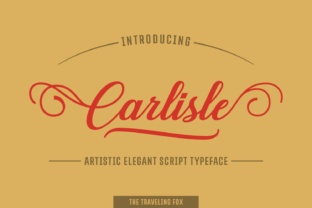
Carlisle belongs to that category of display font that designers call a showstopper. It is not a font you would use for a lengthy body of text, and it does not try to be. Instead, it thrives in short, impactful settings where every letter gets room to breathe. The typeface features dramatic contrast between thick and thin strokes, giving it an almost calligraphic feel that recalls vintage copperplate engraving but with a modern lightness.
The alternates in Carlisle are where the magic really happens. You get multiple versions of many letters, which means you can avoid that repetitive look that plagues lesser script fonts. For example, a double "l" in a word can take two distinctly different forms, so the result feels natural, like a real handwritten piece rather than a digital copy. This attention to detail is what separates a good creative font from a great one.
Visually, Carlisle sits somewhere between a formal wedding invitation script and a friendly handwritten note. It has enough flourish to feel celebratory, but the letterforms remain open and readable. The baseline is steady, which helps with readability even when you scale it up or down for different uses. The commercial font licensing also means you can use it in client work without worrying about legal headaches, which is a practical consideration that many designers learn the hard way.
Where Carlisle Works Best Across Different Projects
Because of its balanced personality, Carlisle adapts well to a range of contexts. Here are a few where it consistently delivers strong results.
Brand Identity and Logo Design
If you are building a brand identity for a boutique, a wedding planner, a bakery, a stationery line, or a lifestyle coach, Carlisle brings immediate warmth and sophistication. It works beautifully as a logotype because the letters connect naturally and the swashes can anchor a design or frame a mark. In logo design, you often need a font that can stand alone without heavy illustration support. Carlisle does that. Pair it with a clean sans serif font for the tagline, and you have a complete visual system in minutes.
One observation from real client work: Carlisle tends to resonate well with female-founded businesses and creative service providers who want to communicate elegance without pretension. That is a hard balance to strike, and this handwritten font handles it gracefully.
Editorial and Packaging Design
In editorial design, Carlisle shines in headlines, pull quotes, chapter openers, and cover titles. It adds a human touch to layouts that might otherwise feel too mechanical. For packaging design, think candles, cosmetics, gourmet food, or artisan products. A product name set in Carlisle immediately signals quality and care. It suggests that someone put thought into the presentation, which is exactly the message you want a premium product to send.
The font also works well for smaller decorative elements like ingredient lists, producer notes, or short brand stories on the back of a package. Just keep the point size generous and give the letters enough white space to breathe.
Social Media Graphics and Web Design
On digital platforms, Carlisle holds up nicely for social media graphics, especially Instagram quotes, welcome banners, and story titles. Because it is a display font, you want to use it sparingly, but when you do, it grabs attention quickly. For web design, use it in hero headings or section titles where you want to create a focal point. Avoid setting long sentences in it, especially at small sizes, because the flourishes can start to blur on screens.
I have seen it used effectively on minimalist websites where the font becomes the main visual element against a simple background. That kind of restraint lets the modern typography do the heavy lifting without competing with other design elements.
How Carlisle Influences Readability, Hierarchy, and Brand Perception
Typography is never just about looking pretty. It shapes how people feel about your content before they read a single word. Carlisle brings a specific emotional weight that affects several aspects of design.
In terms of visual hierarchy, a script font like Carlisle naturally sits at the top because its decorative quality commands attention. When you place it above a clean serif font or a neutral sans serif font, the contrast creates a clear path for the eye. The viewer sees the headline first, then moves to the supporting text. That hierarchy is essential for effective communication, especially in marketing materials where you have only seconds to make an impression.
Readability with Carlisle is good for a script font, but it requires thoughtful application. The open letterforms help, but the swashes and flourishes mean you should avoid tight tracking. Give the letters room. In longer headlines, consider using fewer swashes so the text stays easy to scan. Some designers make the mistake of enabling every alternate and swash at once, which can create visual noise. The better approach is to pick one or two standout letters per word to feature the flourishes, letting the rest stay clean and legible.
For brand perception, Carlisle communicates refinement, attention to detail, and a certain old-world charm that feels rare in today's digital landscape. Brands that use it often gain a perception of being trustworthy, established, and tasteful. That is a valuable association if you are working in industries like weddings, luxury goods, hospitality, or creative services. Consistency across touchpoints, from your website to your business cards to your social media, reinforces that perception and builds recognition over time.
Practical Guidance for Choosing and Using Carlisle
Before you download Carlisle and start applying it everywhere, take a moment to evaluate your project fit. Here is a practical checklist based on real-world usage.
Evaluate Your Project Fit
Ask yourself: does this project need warmth, elegance, or a handmade feel? If yes, Carlisle is a strong candidate. If your project calls for cold, industrial, or ultra-modern aesthetics, a geometric sans serif font might serve you better. Carlisle thrives where human connection and artistry matter. It is a poor fit for corporate reports, dense data presentations, or hyper-minimalist branding.
Test Font Pairings Carefully
Carlisle pairs beautifully with several style of companion typefaces. Here are three pairings that consistently work:
- Carlisle + a clean sans serif like Montserrat, Lato, or Open Sans. This is the safest pairing for most projects and works across digital and print.
- Carlisle + a classic serif font like Playfair Display or Georgia. This combination leans into traditional elegance and works well for editorial or luxury branding.
- Carlisle + a neutral handwritten font for a more casual, layered look. Use this combo for lifestyle blogs, personal branding, or craft-oriented projects.
When testing pairings, set a short headline in Carlisle and a paragraph in your chosen companion font. Adjust sizes until the contrast feels intentional. A good rule of thumb: the script font should be at least 2.5x larger than the body text to maintain hierarchy.
Review Included Styles and Alternates
Carlisle comes with a full set of uppercase and lowercase letters, numerals, punctuation, and those valuable alternates and swashes. Spend time exploring the alternate characters in your design software. Many designers skip this step and miss out on the very features that make the font special. Create a few test words and cycle through the alternates to find combinations that look natural and balanced. This is especially important for logo work where every letter matters.
Understand Commercial Licensing
If you are using Carlisle for client projects or any revenue-generating work, confirm you have the commercial font license. Most reputable foundries offer clear licensing tiers, and Carlisle is typically available with standard commercial rights that cover web, print, and social media use. Read the fine print before you deliver final files to a client. A mismatch between license and usage can create legal problems that are entirely avoidable.
Readability Considerations in Practice
For print projects like invitations, signage, or packaging, test Carlisle at the physical size it will appear. Sometimes a font that looks perfect on screen feels too delicate or too bold in real life. Print a sample and hold it at reading distance. Adjust stroke weight if your design software allows it, or switch to a different size variant if one is available. For digital use, test the font on multiple devices and screen sizes to ensure the flourishes do not degrade or become distracting.
Real-World Examples That Show Carlisle at Its Best
I have seen Carlisle used in a wedding invitation suite where the couple's names were set in the font with a delicate swash connecting the first letters. The rest of the suite used a soft cream paper and a simple serif for the details. The result was elegant without being overwrought. Guests commented on how beautiful the invitation looked, which is exactly the reaction you want from a save-the-date.
Another memorable use was a small-batch hot sauce label. The brand wanted to communicate artisanal quality and a bit of whimsy. The product name in Carlisle sat above a simple illustration of a pepper, with a sans serif font listing the ingredients. The combination felt approachable but premium, and the font helped the product stand out on a crowded shelf.
For a lifestyle blogger rebrand, the client used Carlisle in her blog header, social media templates, and email newsletter. Her audience responded positively to the warmer, more personal feel. She noted that her engagement on posts with the new typography was noticeably higher than before, which demonstrates how modern typography choices can influence audience behavior beyond just aesthetics.
Final Thoughts on Adding Carlisle to Your Design Assets
Carlisle is not a font you use every day. It is a premium font you reach for when a project needs a touch of grace, a sense of occasion, or a handmade soul. If you work in logo design, editorial design, packaging design, web design, or any space where brand identity matters, this creative font deserves a spot in your toolkit.
The key is to use it with intention. Let it lead where it belongs, and let it rest where it does not. Pair it thoughtfully. Respect its flourishes. And always test your combos before committing. When you get the balance right, Carlisle transforms ordinary layouts into something memorable. That is the kind of typeface worth downloading and keeping close.