Bunglon: A Modern Calligraphy Script That Brings Romance and Elegance to Your Designs
Typography is the silent storyteller of design. It sets the mood, defines the tone, and guides the viewer's eye through every visual narrative. Among the vast library of typefaces available to designers today, few manage to strike the perfect balance between modern sensibility and timeless romance. Bunglon does exactly that. This beautiful calligraphy script has captured the attention of graphic designers, branding experts, and creative enthusiasts alike—and for good reason.
In this article, we'll explore everything you need to know about Bunglon: what makes it special, how its variable contrast and dancing baseline create a unique rhythm, and how you can use it to elevate your next project. Whether you're a seasoned designer or someone just beginning to explore the world of typography, you'll find practical insights and inspiration here.
What Exactly Is Bunglon?
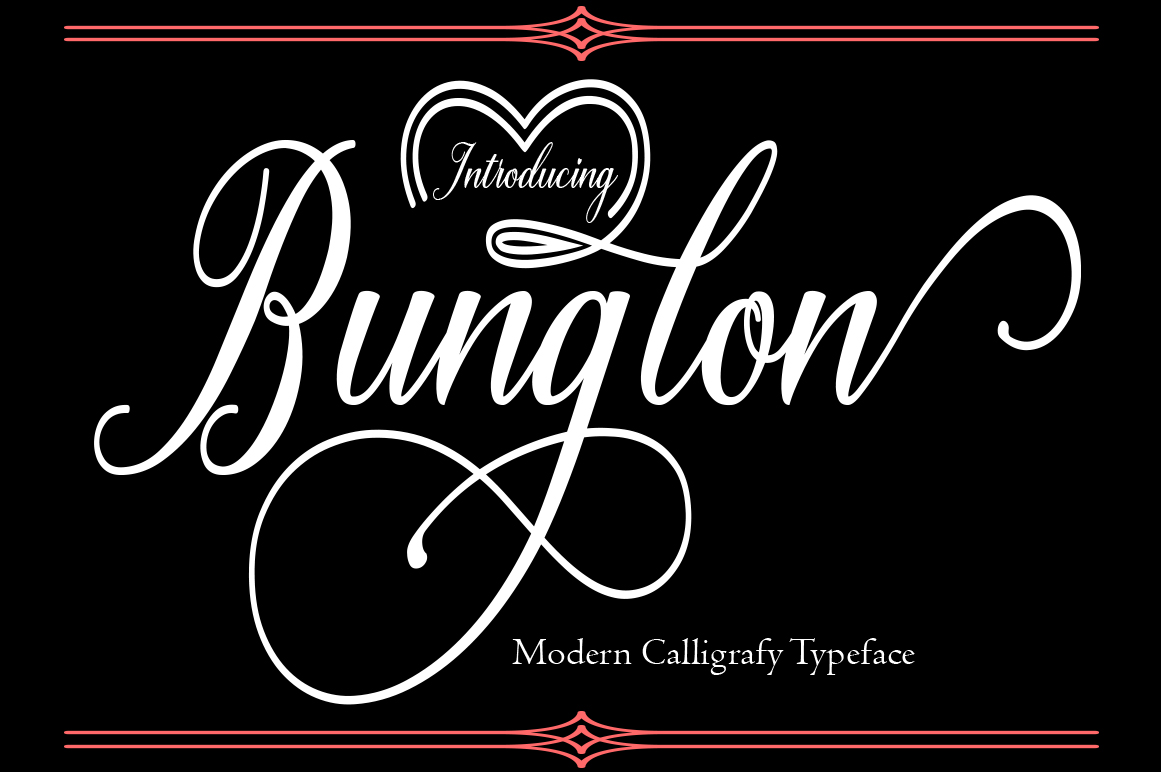
Bunglon is a modern calligraphy script typeface that draws inspiration from traditional hand-lettering while embracing contemporary design principles. Unlike rigid, uniform scripts, Bunglon feels alive. Its letters appear to dance across the page—each stroke flowing naturally into the next with a graceful, almost musical rhythm.
The name "Bunglon" itself evokes a sense of exotic charm, and the font delivers on that promise. It's a script that feels both luxurious and approachable, making it an excellent choice for projects that require a personal, heartfelt touch.
Key Characteristics at a Glance
- Variable contrast: The thickness of each stroke changes dynamically, creating depth and visual interest.
- Dancing baseline: Letters sit at slightly varying heights, mimicking the natural inconsistency of hand-drawn calligraphy.
- Modern flair: While rooted in classic calligraphy, the overall silhouette feels fresh and current.
- Romantic and elegant: The curves and swashes evoke emotion and sophistication without being overly ornate.
Because of these traits, Bunglon is often described as a font that "breathes." It doesn't sit flat on the page—it moves, sways, and invites the reader in.
The Story Behind a Dancing Script
Every typeface has a story, and Bunglon's story is one of deliberate artistry. The designer set out to create a script that felt alive—not just a set of characters, but a genuine expression of human movement. That's why the variable contrast is so important. In traditional calligraphy, the angle of the pen naturally produces thick and thin strokes. Bunglon replicates that effect digitally, but with an even greater range of variation than many comparable scripts.
The dancing baseline is another intentional choice. Rather than forcing every letter to sit perfectly on a straight line, Bunglon allows each character to find its own natural height. This creates a rhythm that feels organic and spontaneous—as if the words were written by hand in a single, flowing motion.
The result is a typeface that feels simultaneously polished and raw. It's structured enough to be legible, yet loose enough to convey emotion. That's a difficult balance to achieve, and it's precisely what makes Bunglon stand out in a crowded field of script fonts.
Why Variable Contrast Matters in Design
Variable contrast is more than just a technical feature—it's a storytelling tool. When you use a font with variable contrast, you automatically add depth, texture, and hierarchy to your text. The thicker strokes draw the eye, while the thinner strokes create a sense of lightness and movement.
In Bunglon, the variable contrast is particularly dramatic in certain letter pairs and swashes. This makes it ideal for:
- Headlines and titles where you want to make a strong impression.
- Logos and branding where the font becomes the face of the business.
- Invitations and stationery where elegance is paramount.
- Social media graphics that need to stand out in a crowded feed.
Because the contrast is built into the font itself, you don't need to add extra styling to create visual interest. The typeface does the heavy lifting for you.
Practical Applications: Where Bunglon Shines
Bunglon is versatile enough to work across a wide range of mediums, but it's particularly effective in contexts where emotion and beauty are as important as readability. Let's explore some real-world applications.
1. Wedding Invitations and Event Branding
This is arguably Bunglon's natural habitat. The romantic, flowing lines make it a perfect choice for wedding invitations, save-the-dates, and ceremony programs. Paired with a clean serif or sans-serif body font, Bunglon can set a tone of timeless elegance. For example, using Bunglon for the couple's names and a simple sans-serif for the event details creates a beautiful hierarchy that guides readers naturally.
2. Logo and Identity Design
Brands that want to convey sophistication, creativity, or a personal touch often turn to script fonts. Bunglon works especially well for boutique businesses, artists, beauty brands, and lifestyle bloggers. The variable contrast adds a premium feel, while the dancing baseline gives the logo a handcrafted quality. A bakery named "Luna's Patisserie" or a florist called "Wild & Bloom" would both benefit from Bunglon's graceful strokes.
3. Social Media and Digital Content
In the digital space, standing out is everything. Bunglon's unique rhythm catches the eye even on a small mobile screen. Use it for Instagram quotes, Pinterest pins, or YouTube thumbnail titles. Because it's a script, it works best in short bursts—a single word or a brief phrase—where its beauty can be fully appreciated. For longer text, pair it with a simpler companion font to maintain readability.
4. Product Packaging and Labels
Packaging is often the first physical interaction a customer has with a brand. Bunglon can add a layer of luxury to product labels, whether it's a bottle of artisanal olive oil, a box of handmade chocolates, or a jar of organic honey. The font's organic feel suggests craftsmanship and care—qualities that consumers value more than ever.
5. Editorial and Print Design
Magazine spreads, book covers, and posters can all benefit from Bunglon's dramatic flair. It works beautifully as a drop cap or as the main headline for a feature article. Because of its variable contrast, it also prints exceptionally well—the thick-thin transitions remain crisp and legible even at small sizes.
How to Use Bunglon Effectively in Your Projects
Like any powerful tool, Bunglon works best when used with intention. Here are some practical tips to help you get the most out of this typeface.
Pairing Fonts with Bunglon
Because Bunglon is so expressive, it needs a stable partner to balance the composition. Good pairings include:
- Clean sans-serifs: Fonts like Montserrat, Lato, or Open Sans provide a neutral counterpoint that lets Bunglon shine.
- Simple serifs: A classic serif like Playfair Display or Cormorant Garamond can create a sophisticated, editorial feel.
- Minimalist scripts: If you want a layered script look, pair Bunglon with a simpler, more restrained script for captions or body text.
Avoid pairing Bunglon with another highly decorative script—the result can feel chaotic and hard to read.
Adjusting Letter Spacing and Leading
Because of its dancing baseline, Bunglon often benefits from a little extra space between lines. This prevents the characters from feeling cramped and allows their natural rhythm to emerge. Similarly, be careful with tracking (letter spacing). Too tight, and the swashes may collide; too loose, and the flow is lost. A subtle adjustment—often just a point or two—can make all the difference.
Color and Background Considerations
Bunglon's variable contrast looks stunning on both light and dark backgrounds. On a white or pastel background, the thick strokes anchor the text while the thin strokes add delicacy. On a dark background, the contrast becomes even more dramatic—especially if you use a metallic or light color for the text. Gold, rose gold, and cream tones are particularly effective for evoking romance and luxury.
Common Misunderstandings About Script Fonts
Some designers shy away from script fonts because they worry about legibility or appropriateness. Let's clear up a few misconceptions.
- "Script fonts are only for formal occasions." While Bunglon certainly suits formal events, its modern proportions make it equally appropriate for casual, creative, or even edgy projects. It all depends on how you style it.
- "Script fonts are hard to read." Bunglon is designed with legibility in mind. Its letterforms are clear and distinct, and the dancing baseline actually helps readers by creating a natural visual rhythm. That said, it's best used for short to medium-length text rather than long paragraphs.
- "Variable contrast fonts are fragile or hard to work with." Actually, the built-in variation makes them more robust in many contexts—you don't need to add complex styling to create depth. Bunglon is ready to use right out of the box.
Bunglon in Modern Life: Where Script Typography Is Thriving
We live in an age of digital overload. Every day, we're bombarded with information from screens, billboards, and notifications. In this environment, warmth and humanity have become premium qualities. Script fonts like Bunglon offer a antidote to the coldness of standard sans-serif text. They remind us of handwritten notes, personal letters, and the beauty of imperfect human expression.
That's why Bunglon is finding its way into more and more real-world applications: from small business branding to personal projects, from creative portfolios to digital content. Designers are using it to add a layer of emotion that algorithmically-generated text simply can't match. In a world of AI and automation, a font that looks and feels handcrafted is more valuable than ever.
Educational and Creative Spaces
For educators and creatives, Bunglon can be a powerful way to engage audiences. A workshop flyer, a creative writing poster, or an online course thumbnail all benefit from the font's inviting personality. It signals that the content is made by humans, for humans—and that alone can increase trust and connection.
Business and Marketing
In marketing, first impressions are everything. A brand that uses Bunglon in its visual identity communicates sophistication and care. This is especially important for small businesses and solopreneurs who want to stand out without a massive budget. A well-chosen typeface is one of the most cost-effective ways to elevate your brand.
Tips for Beginners: Getting Started with Bunglon
If you're new to script fonts or typography in general, here's a simple workflow to get started:
- Download and install Bunglon on your system. Make sure it's properly activated in your design software.
- Start with a single word in a large size. Notice how the letters interact—how the swashes flow and how the variable contrast creates light and shadow.
- Experiment with color. Try the same word in black, white, gold, and a pastel shade. See how the character changes.
- Add a companion font. Place a short sentence in Bunglon and a body paragraph in a clean sans-serif. Adjust sizes until the composition feels balanced.
- Test readability. Show your design to someone else. Ask them what mood or feeling they associate with the text. If they say "elegant" or "romantic" or "beautiful," you're on the right track.
Conclusion
Bunglon is more than just a pretty typeface—it's a design tool that brings emotion, movement, and sophistication to any project. Its variable contrast and dancing baseline set it apart from ordinary scripts, giving your text a handcrafted quality that resonates with modern audiences. Whether you're designing a wedding invitation, building a brand, or simply exploring the art of typography, Bunglon offers a world of creative possibilities.
The best fonts are the ones that make you pause. They invite you to look closer, to feel something, to connect with the message on a deeper level. Bunglon does all of that—and it does it with grace. So go ahead, give it a try. Let your words dance.